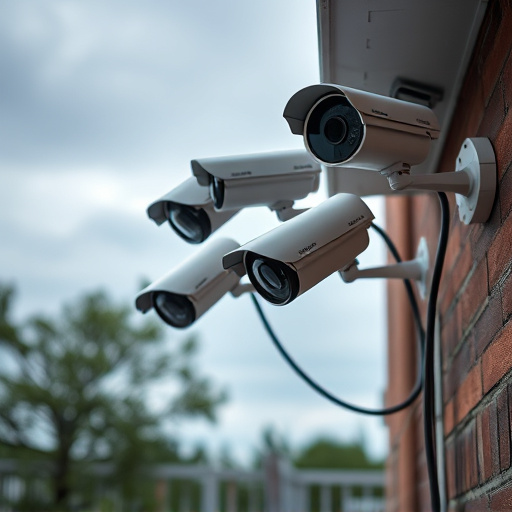
Fake security cameras, though visually realistic, are primarily deterrent tools. They mislead criminals into thinking a property is secured, effectively deterring low-intentioned crime. These mechanical devices lack internal electronics and cannot capture or transmit footage, alert authorities, or serve any actual security function. Strategically placed, they enhance perceived security levels for both homes and businesses, especially in remote areas with minimal human surveillance, answering the question: do fake security cameras work?
“Uncover the intriguing world of security camera housing without electronics—a revolutionary concept in home surveillance. This article explores the idea behind ‘fake’ security cameras and how they operate without traditional circuitry. We delve into their unique benefits, from enhanced privacy to cost-effectiveness.
Learn how these innovative devices mimic real cameras, ensuring peace of mind while raising questions about their functionality. Discover why do fake security cameras work and explore the considerations for integrating them into your security system.”
Understanding the Concept of Fake Security Cameras
Fake security cameras, also known as decoy or dummy cameras, are designed to look like real surveillance equipment but lack the internal electronics to capture and transmit footage. Understanding their concept is crucial when assessing their effectiveness in deterring actual crime. While they may appear realistic, these phony devices do not function as intended security solutions; they simply serve as visual deterrents.
The question of whether fake security cameras work depends on one’s definition of “work.” Physically, they stand tall and mimic the appearance of functional cameras, fooling casual observers into believing a property is well-guarded. However, due to their lack of electronics, they cannot capture or store footage, alert authorities in real-time, or fulfill any actual security function. Thus, while they may deter opportunistic thieves or vandals expecting an active security system, their effectiveness as a comprehensive security measure is limited.
How These Devices Operate Without Electronics
Fake security cameras, despite their name, don’t rely on electronics for their primary function. These devices operate by utilizing simple mechanical and optical principles. They often consist of a housing that mimics the appearance of a real camera, complete with lens and casing, but lack any internal circuitry or electronic components. Instead, they depend on passive mechanisms to capture and record footage.
The lens in these fake cameras is designed to gather light and direct it onto an imaging sensor—a small piece of film or a digital sensor similar to those found in traditional cameras. Once the image is captured, it’s either stored locally within the housing (using memory cards) or transmitted wirelessly to a monitoring system. This entire process occurs without any power or data connections, making them seemingly invisible and effective deterrents for potential intruders, thereby answering the question: do fake security cameras work?
Benefits and Considerations for Using Security Camera Housing without Electronics
Using security camera housing without electronics offers a unique and innovative approach to enhancing home or business security, with several key benefits. One of the primary advantages is cost-effectiveness; by removing the electronic components, you eliminate the need for complex wiring and power supplies, reducing installation costs significantly. Moreover, these passive camera housings can be strategically placed in hard-to-reach areas without worrying about power limitations, providing a more comprehensive surveillance network.
When considering do fake security cameras work, it’s essential to understand that these housing units alone won’t capture footage or transmit alerts; they merely serve as decoys. However, their presence can deter potential intruders, as the mere sight of a functional camera could discourage criminal activity. This is particularly useful in remote areas or places with minimal human surveillance. While some may dismiss them as ineffective, strategically placed fake cameras can be an excellent addition to an overall security strategy, enhancing the perceived level of protection around a property.